

Winter Houseplant Care Guide
The chilly season is upon us, and our outdoor gardens are tucked in for the winter. So how can we satisfy the plant nurturer within us? This is the perfect time to turn our attention to houseplants, the greenery that keeps us connected to nature even when the outdoors feels drab and gray.
As daylight hours shorten and temperatures drop, your houseplants naturally shift into a dormant or semi-dormant phase. Because of this, their care needs change. Many of our favorite houseplants come from tropical regions that enjoy steady warmth and light year-round, so adjusting your routine for the cooler months will help them stay healthy and happy.
Watering
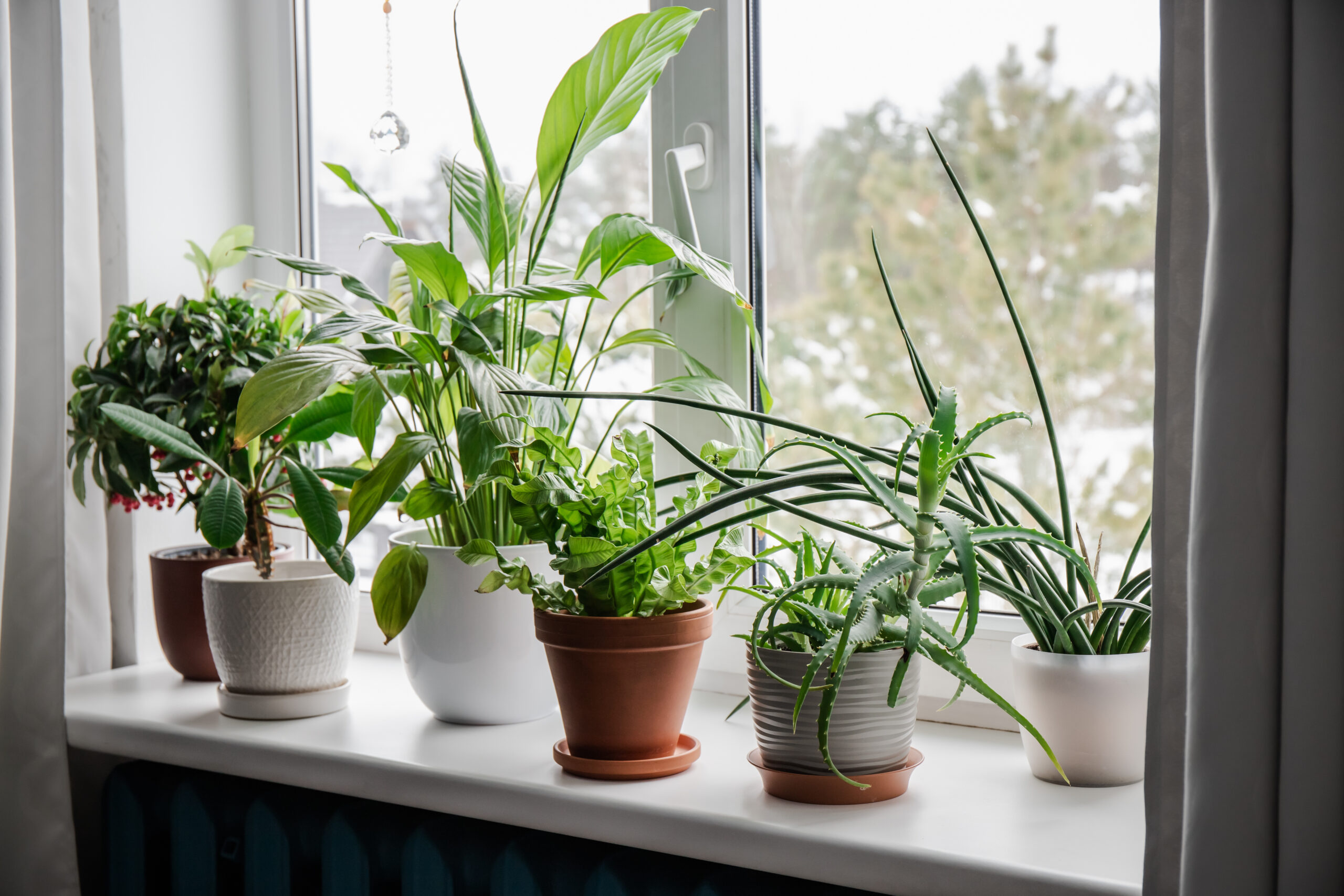
Proper watering is crucial year-round, but it’s especially important in fall and winter when plants dry out more slowly. Cooler temperatures and lower light levels mean your plants need far less water than they do in the active growing season.
If you’ve had a consistent watering schedule through spring and summer, it likely won’t work in winter. Instead of watering on a fixed schedule, let the soil be your guide. For most houseplants, wait until the top one to two inches of soil are dry before watering again. You can test this by sticking your finger into the soil or by feeling the pot’s weight—dry soil is noticeably lighter.
Tropical foliage plants such as pothos, philodendrons, and ficus may only need water every two to three weeks. Cacti and succulents may need water just once a month or even less frequently, allowing the soil to dry out completely between waterings.
There’s no universal formula for watering frequency—it depends on plant type, pot material, light levels, humidity, and temperature. The key is observation. Watch your plants and adjust as needed.
Overwatering is the most common cause of houseplant decline. When soil stays soggy, roots can’t breathe, leading to root rot and making plants more susceptible to pests and disease. Underwatering can harm your plants too, but it’s usually easier to revive an underwatered plant than one that’s been overwatered.
Boost Light Levels
Shorter days and weaker sunlight can stress plants that evolved under tropical conditions. Move fussier plants closer to a bright window that receives the most daylight, and rotate them occasionally so they grow evenly.
A simple window cleaning can also make a noticeable difference by allowing more sunlight to filter through.
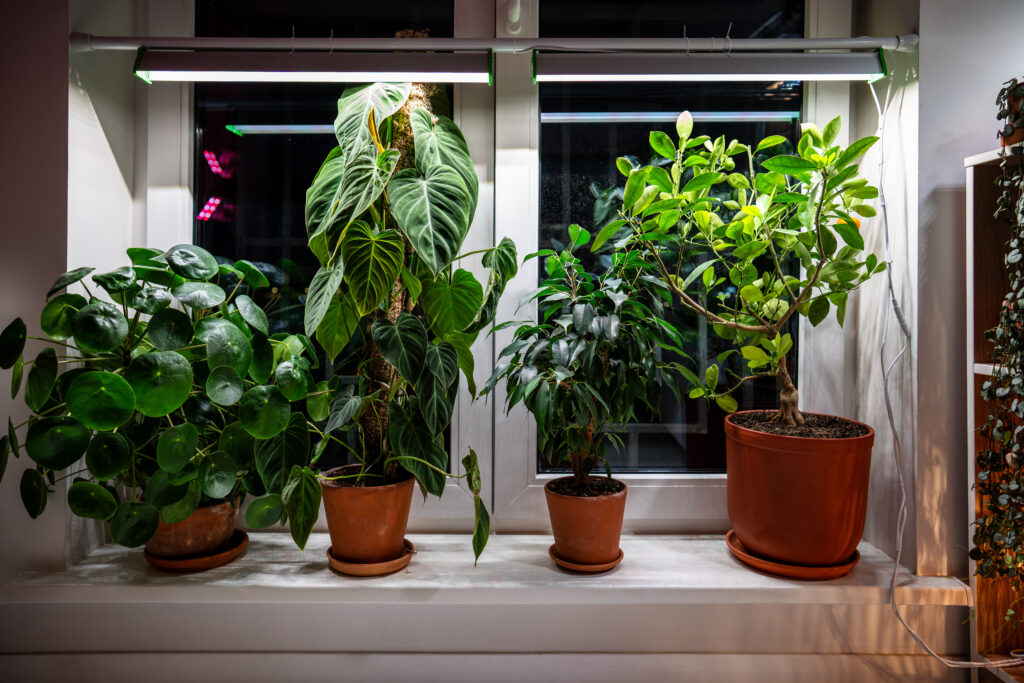
If natural light is limited, supplement with grow lights. You can use plant-specific lamps or replace regular bulbs with grow light bulbs to provide the right spectrum for photosynthesis.
Watch Temperature Fluctuations
Most houseplants hail from consistently warm tropical climates and dislike sudden temperature swings. Keep them away from cold drafts near open windows and doors, as well as from direct blasts of hot air from heaters or vents.
If plants sit on a windowsill above a heat source, they may experience rapid temperature changes throughout the day, which can stress them and dry out their foliage. Keep them a few feet away from heat sources when possible.
Cleaning and Inspection
Each time you water, take a few moments to inspect your plants. Look for signs of pests or disease such as discolored leaves, sticky residue, or holes in the foliage.
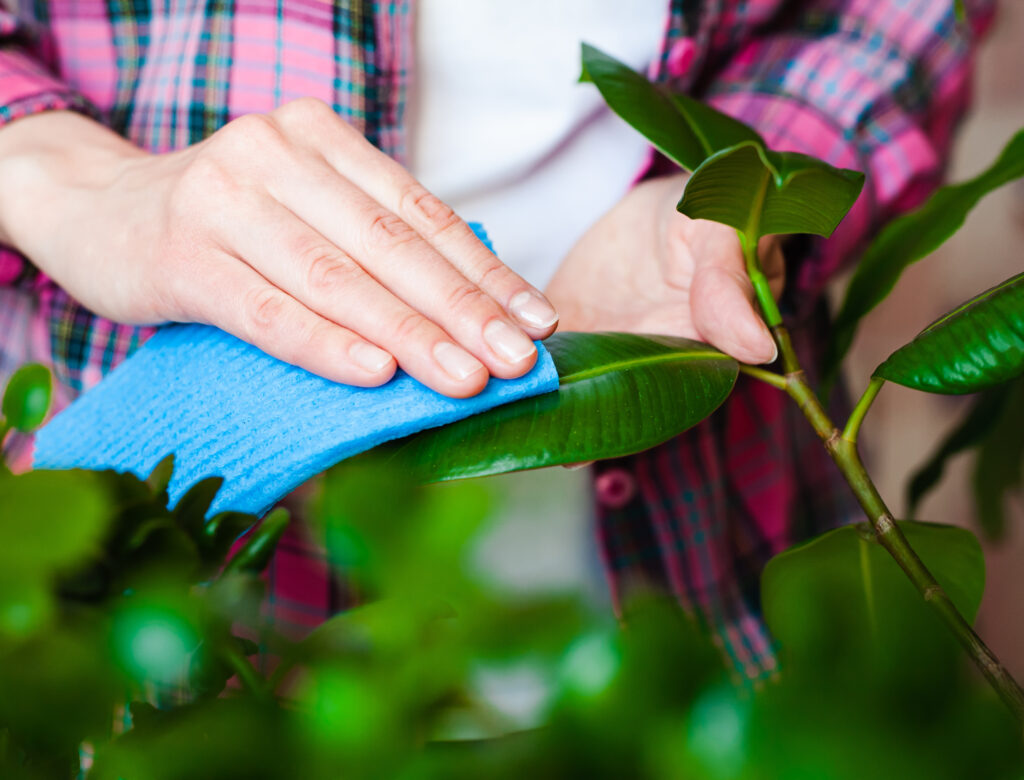
Dust also builds up more quickly indoors, blocking light and clogging the plant’s pores. Wipe leaves gently with a soft, damp cloth to remove dust and improve their ability to photosynthesize.
Increase Humidity
Indoor heating dries out the air, leading to brown leaf tips and curling leaves. Increase humidity by grouping plants together so they share the moisture they release.
Another easy option is a pebble tray. Fill a shallow tray with pebbles and water, then place the pot on top (not directly in the water). As the water evaporates, it adds humidity around the plant.
Avoid increasing humidity for cacti and succulents, which prefer dry winter air.
Manage Pests
Spider Mites
Tiny arachnids that thrive in dry, warm conditions. They suck sap from leaves, causing stippling and yellowing. Fine webbing under leaves is a telltale sign. Increase humidity, rinse leaves with water, and use insecticidal soap or neem oil if needed.
Thrips
Slender insects that scrape and suck plant tissue, leaving silvery streaks or patches on leaves. They often attack new growth. Isolate affected plants, trim damaged foliage, and treat with insecticidal soap or sticky traps.
Fungus Gnats
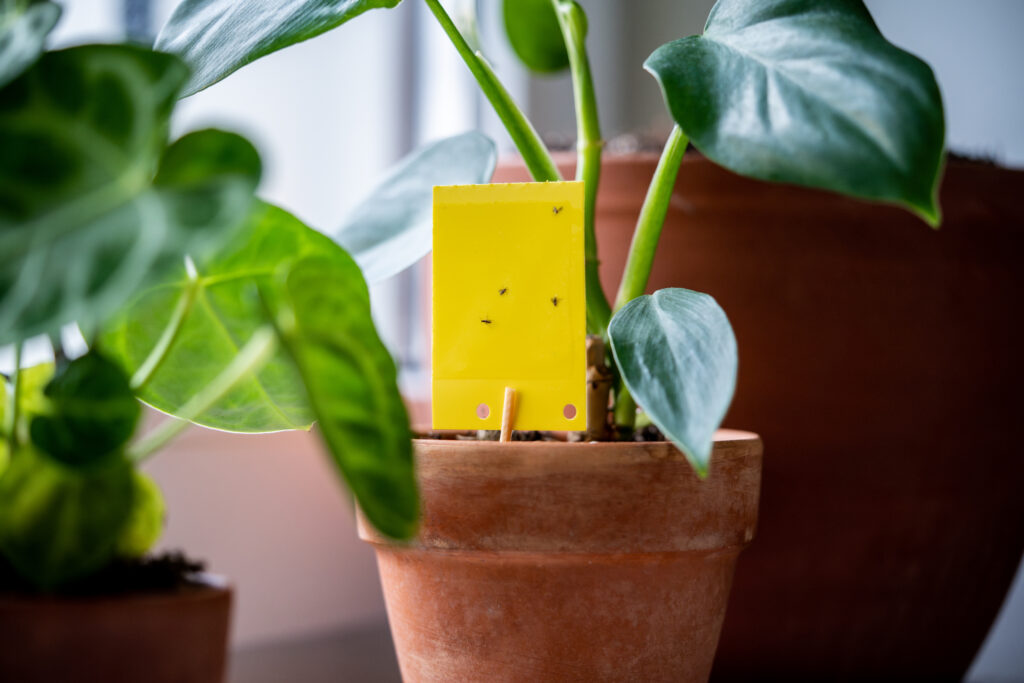
Small black flies that hover around soil. The adults are mostly a nuisance, but their larvae feed on organic matter and fine roots, potentially stressing plants. Let soil dry between waterings, use yellow sticky traps, and sprinkle cinnamon on the soil surface—its antifungal properties can deter larvae.
Mealybugs
Soft-bodied pests covered in white, cottony fluff, usually found on leaf joints or undersides. They suck sap and excrete sticky honeydew that can lead to mold. Remove them with a cotton swab dipped in alcohol, and repeat treatments as needed.
If you bring plants indoors after summering them outside, inspect them carefully before reintroducing them to your indoor collection to prevent infestations from spreading.
Pruning
Winter isn’t the time for heavy pruning or shaping since plants are dormant and not actively growing. Instead, focus on cleanliness: remove dead, damaged, or diseased leaves and any fallen debris on the soil surface to prevent pests and fungal issues.
Save any structural or growth-promoting pruning for spring, when your plants are ready to put out new growth.
Hold Off On Fertilizing
Most houseplants don’t need fertilizer in winter. With limited light and reduced growth, they simply aren’t using as many nutrients. Fertilizing now can cause salt buildup in the soil or even burn the roots.
The exception is for plants under grow lights that are actively producing new growth, or flowering plants that require extra energy. In those cases, use fertilizer at half strength.
Final Thoughts
Winter care is all about observation and gentle adjustments. Your plants don’t need as much from you as they do in spring and summer—just a watchful eye, an occasional dusting, and a little extra care to help them through the darker months. When spring returns, they’ll be ready to reward your patience with a flush of new growth.
CATEGORY
11/04/2025


a word from our viewers