

November Landscaping Checklist
November brings a quieter rhythm to the garden. Frost is touching tender vegetables, trees are dropping their last leaves, and the landscape is slowly settling into winter. While the growing season is winding down, now is the perfect time to tie up loose ends, protect plants and outdoor spaces, and set yourself up for a smooth start next spring.
Protect Your Water Systems
As temperatures drop, it’s time to focus on water systems. Disconnect any hoses you’ve been using, drain them completely, and store them in a dry spot. Make sure your irrigation system has been fully blown out to prevent frozen pipes and damaged valves.
Fountains, ponds, and other water features also need winter protection: remove debris, winterize pumps, and cover surfaces if necessary. A little attention now can prevent costly repairs and ensure a seamless start next season.

Clean and Mulch Your Garden and Landscape Beds
In vegetable beds, frost-killed tomatoes, squash, and peppers should be removed, especially if disease or pests were present. Spread a layer of compost over edible beds to replenish nutrients for next year’s crops.
For landscape beds, pull any remaining weeds before adding a fresh layer of mulch to insulate roots, retain moisture, and keep beds looking tidy. Mulching now protects plants and gives beds a finished, settled appearance that fits the quiet pace of late autumn.
Manage Your Leaves
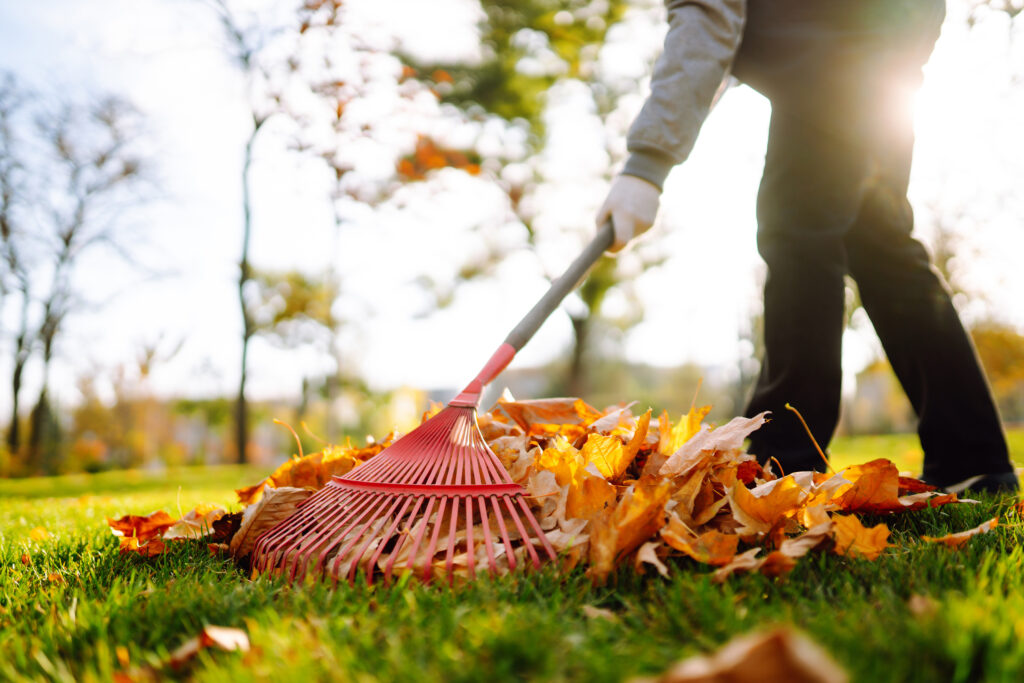
Leaves are more than just something to rake. On lawns, mulching or raking prevents smothering the grass, while leaving leaves under shrubs or in perennial beds provides valuable shelter for insects and pollinators. Collecting leaves for compost or leaf mold is another great way to enrich soil naturally. November is the perfect time to make these choices, balancing garden health with wildlife habitat and future soil benefits.
Prune Perennials and Trees Thoughtfully
Pruning in November is both practical and selective. Remove frost-damaged or diseased perennials while leaving seed heads and sturdier stalks that provide winter interest and habitat for birds and beneficial insects. Ornamental grasses are best left standing until spring, when they can be cut back to a few inches just before new growth begins.
Check trees and shrubs for weak or damaged branches. Tie or support drooping evergreen limbs to prevent snow breakage, and remove any dead wood that could become hazardous over winter. These steps reduce potential damage and help plants emerge healthy in spring.
Mow Your Lawn for Winter
If you haven’t done your final mowing, now is the time. Keep grass around 2½ to 3 inches tall to protect crowns through winter and reduce matting under snow. Heavy fertilization isn’t needed now — grass growth is slowing naturally, and extra growth could be vulnerable to frost. A neatly trimmed lawn keeps the landscape looking tidy, even as the season winds down.
Plant Flower Bulbs and Garlic
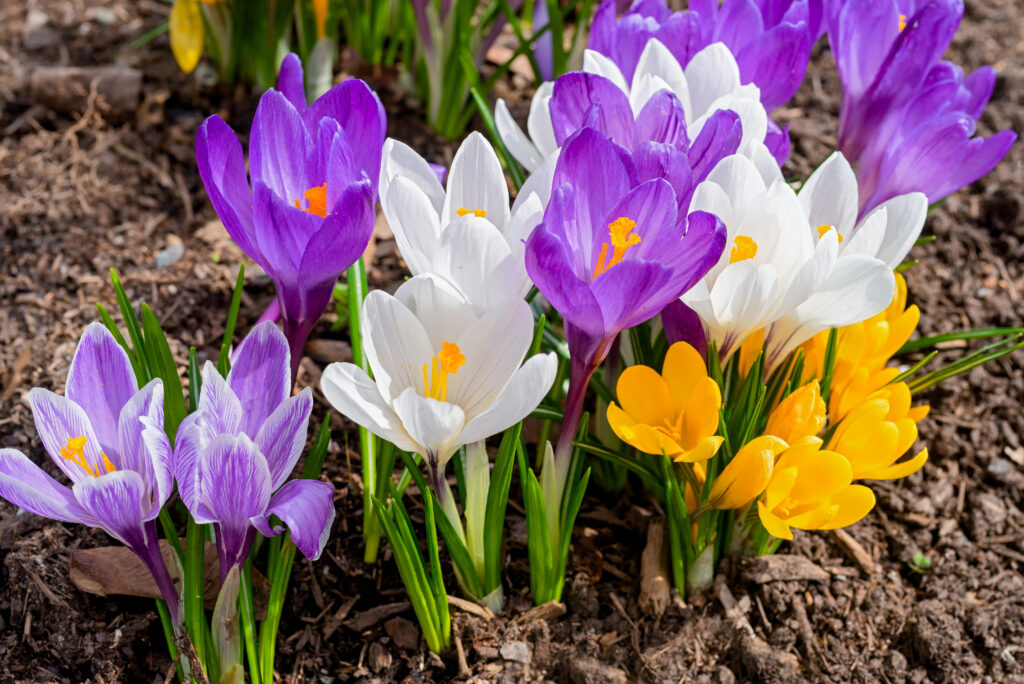
There’s still time to plant spring-flowering bulbs like tulips, daffodils, crocuses, and garlic while the soil is workable. Establishing roots now allows them to thrive once the ground warms. Planting at this time gives them a healthy start for spring blooms or harvest.
Protect Containers, Outdoor Furniture, and Art
Tender container plants need extra care. Move them indoors if possible, or mulch around pots for insulation. Outdoor furniture and garden art also need attention. Bring fragile pieces inside, and cover remaining furniture with breathable, water-resistant fabrics. Clean and dry furniture before storage to prevent rust, mildew, or other winter damage. These steps protect your investments and make spring setup much easier.
Care for Indoor Gardening and Houseplants
As outdoor gardening slows, your attention can turn indoors. Reduce watering and stop fertilizing houseplants, which grow more slowly in winter. Move them to brighter spots, or supplement light with grow lights to keep them healthy.
Consider starting a small windowsill garden with herbs, microgreens, or lettuce to maintain fresh greens throughout the season. Indoor gardening is a great way to keep your green thumb active during the colder months.

Clean and Store Your Tools and Equipment
Before storing tools for winter, give them proper attention. Remove dirt from shovels, hoes, pruners, and other hand tools, and apply a light coat of oil to prevent rust. Service your mower and other power equipment, checking blades, belts, and fluids so everything is ready for spring. Store all tools in a dry, protected location to extend their life and make spring maintenance easier.
Reflect on Your Garden and Plan for Next Year
November is also a great month to reflect on the garden’s performance over the past season. Note which plants thrived, which struggled, and what you want to try next year. Sketch potential new layouts, note irrigation adjustments, or plan soil improvements. Taking a little time now to record observations ensures your garden starts next season with momentum and confidence.
Final Thoughts
November may feel quiet, but it’s full of essential preparation. By winterizing irrigation and water features, cleaning and mulching beds, managing leaves, pruning selectively, protecting tender plants and outdoor items, caring for tools, planting bulbs and garlic, and tending to indoor gardens, you’ll set your landscape up for a healthy, organized, and beautiful spring. This month is a chance to slow down, finish strong, and plan for the next season with intention.
CATEGORY
11/04/2025


a word from our viewers